Starvation as a Weapon of War
A TimelineThe use of starvation as a deliberate weapon of war has a long and harrowing past. Throughout recorded history, the weaponisation of food, water, and other essential resources necessary for a population’s survival has been a recurring feature of conflict. Warring parties have sought to exploit the destructive impact of limiting food supplies, to devastating effect. Forcing inhabitants of a place controlled by the enemy to go without essential resources was long considered a legitimate practice associated with siege warfare.
While methods of warfare have evolved, the use of starvation as a deliberate tool to inflict suffering on civilian populations has not. But there is reason for believing change is attainable. Recent efforts have placed accountability for starvation-related violations of international law at the centre of the international agenda: an important step for ending impunity for starvation crimes once and for all.
Explore GRC’s non-exhaustive Starvation Timeline, below, to learn more about the history of starvation in conflict.
-
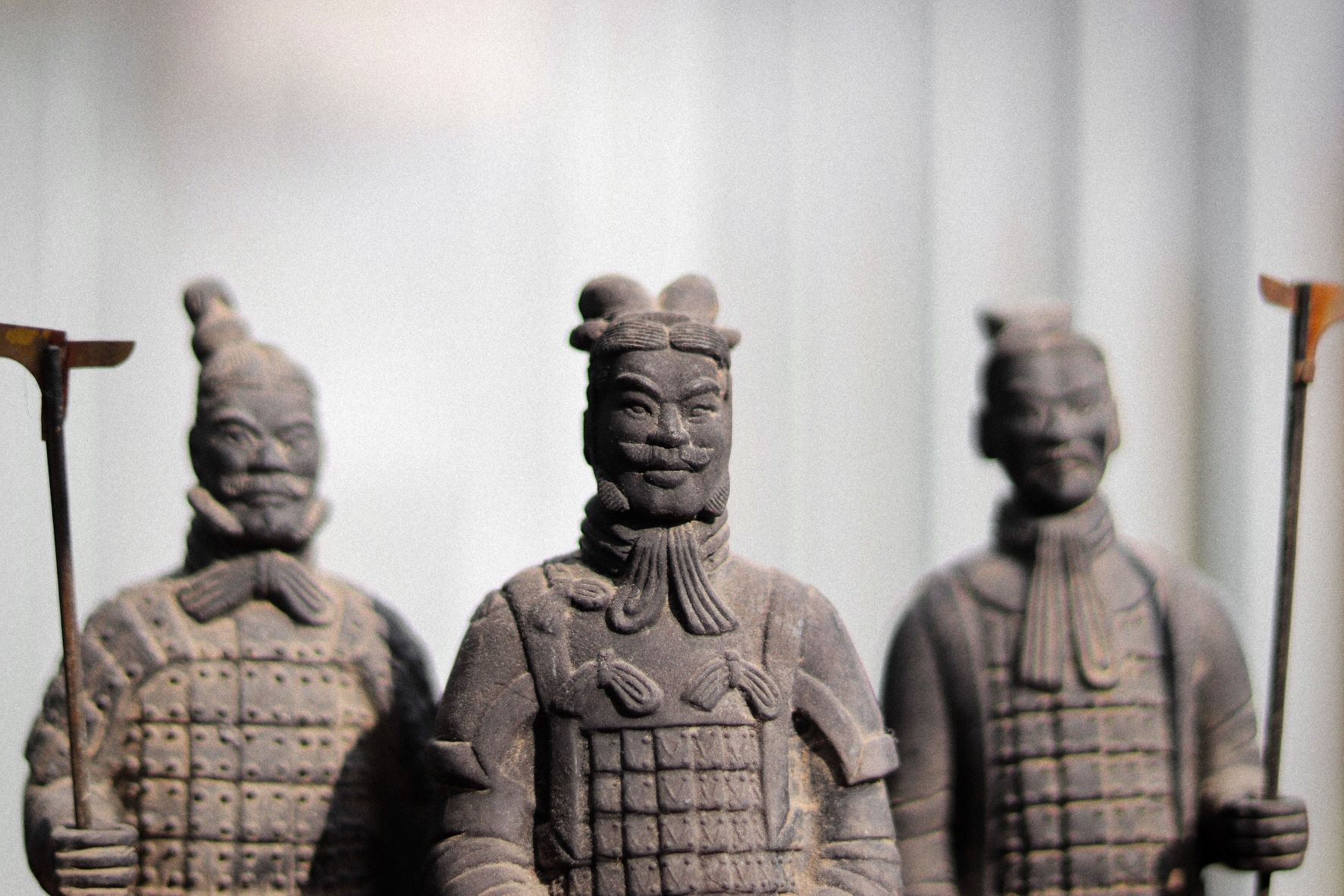
600 BC - Sun Tzu’s The Art of War
One of the oldest texts on military strategy, The Art of War, recognised a clear interconnection between warfare and food supplies, encouraging military strategists to capitalise on the adverse impact […]
-
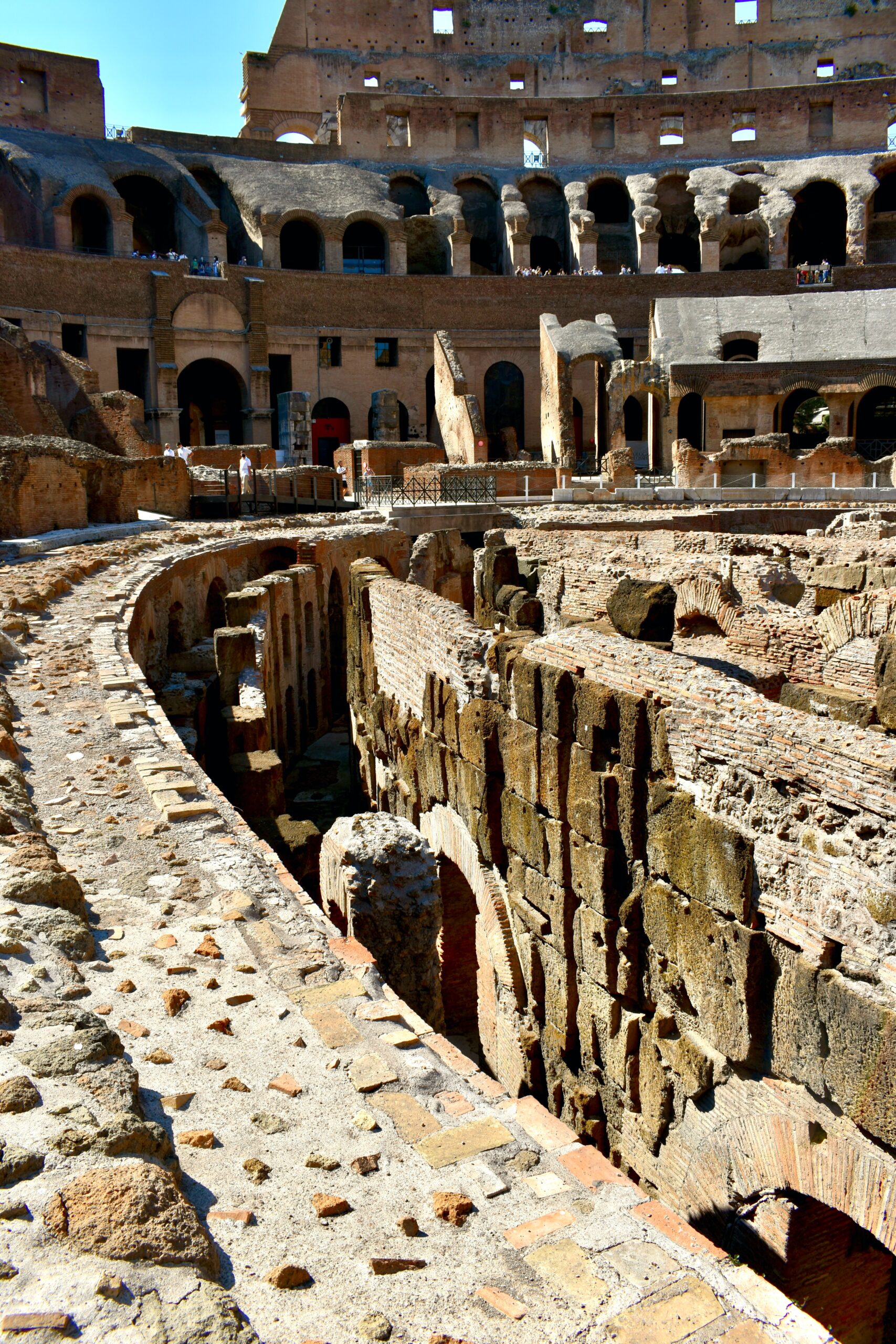
52 BC - Siege of Alesia
A prominent early recorded use of starvation as a military tactic is Julius Caesar’s defeat of the Gallic tribes at Alesia. The battle between the Roman army, commanded by Julius […]
-
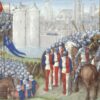
500 - 1500 - The Middle Ages
Characterised by disease, huger and death, siege warfare was first developed by the Assyrians in the first millennium B.C., and perfected as a military tactic during the Middle Ages. The […]
-

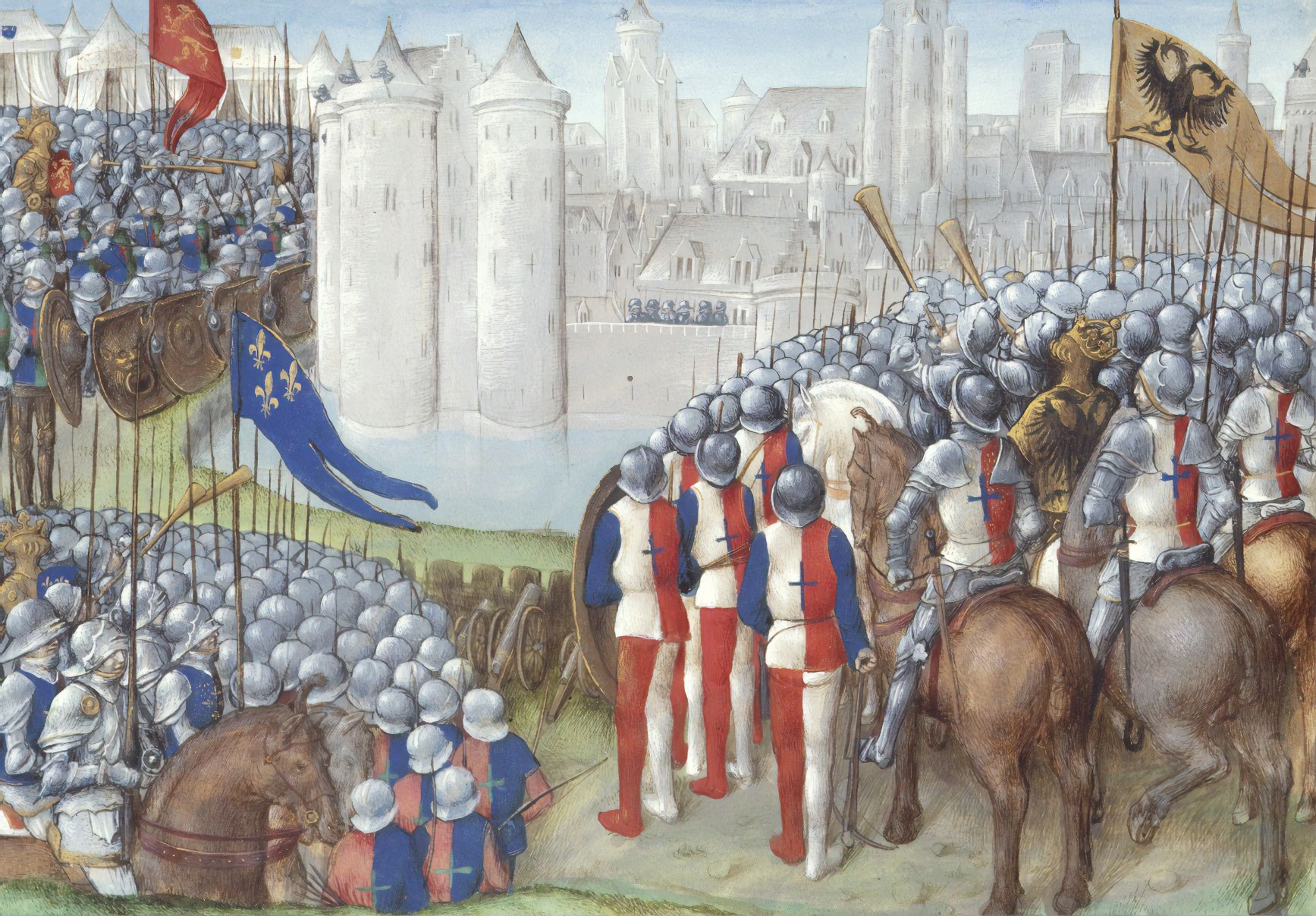
1590 - Siege of Paris by Henry IV
The Siege of Paris by Henry of Navarre, who was attempting to consolidate a contested claim to the French throne, occurred in the context of the French Wars of Religion […]
-

1593 - 1603 - The Nine Years’ War
The Nine Years’ War was waged between an Irish alliance against English colonial rule, at the time of an ongoing Tudor conquest of Ireland that sought, and ultimately succeeded, in […]
-
1618 - 1648 - The 30 Years War
In 1618, conflict broke out in the Holy Roman Empire, as Protestant Bohemian uprising against Catholic Habsburg rule. The defeat of the Bohemians would not bring the conflict to an end, […]
-

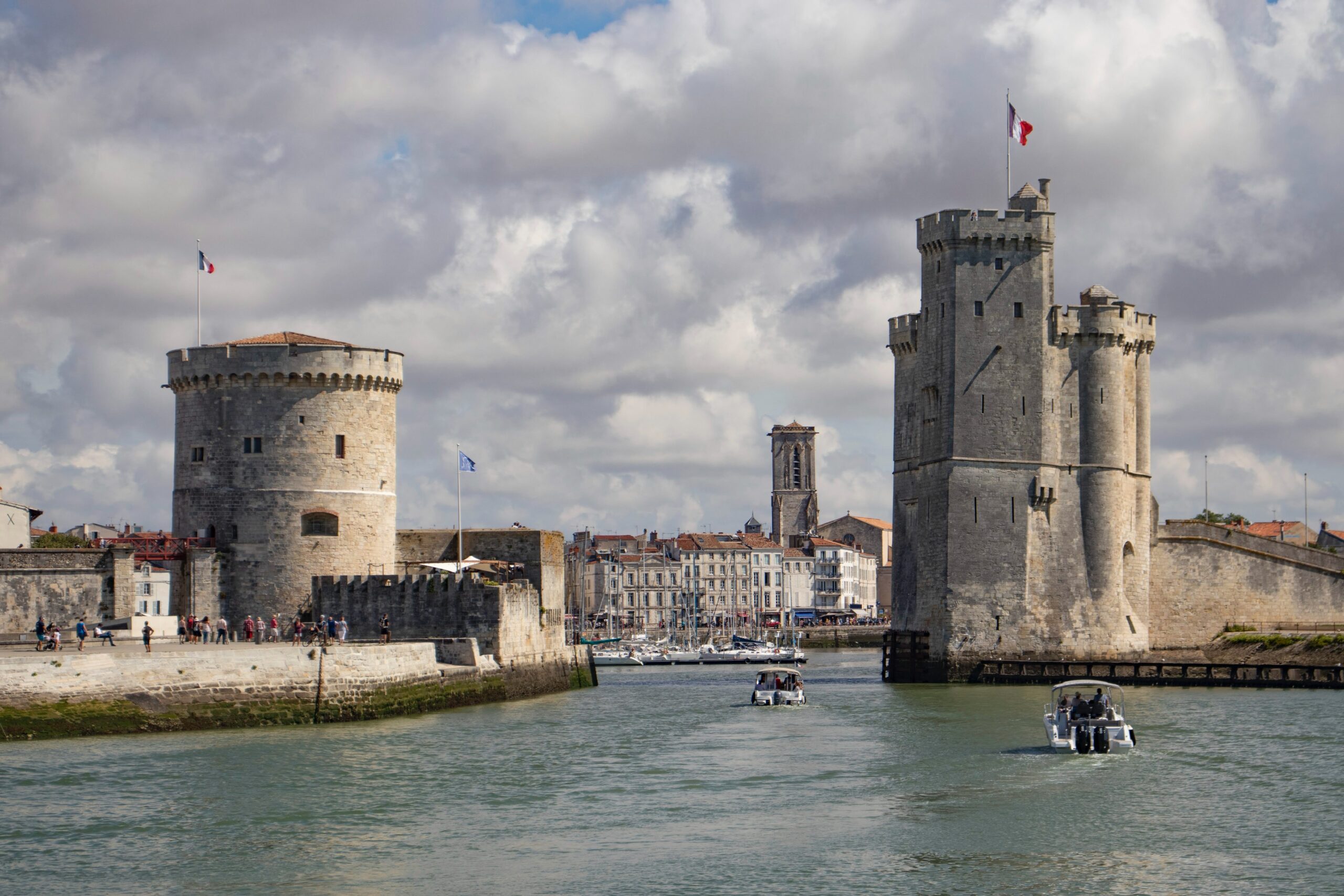
1628 - Siege of La Rochelle
A notable example of starvation being utilised as a military tactic during the period of The Thirty Years War can be seen in the example of the Siege of La […]
-

1820s - Natal King Shaka’s scorched earth policy
The Ndwandwe–Zulu War was fought between the Zulu Kingdom led by its founder, Shaka Zulu, and the neighbouring Ndwandwe tribe in South Africa during the expansion of the Zulu Kingdom. Seeking to avoid […]
-

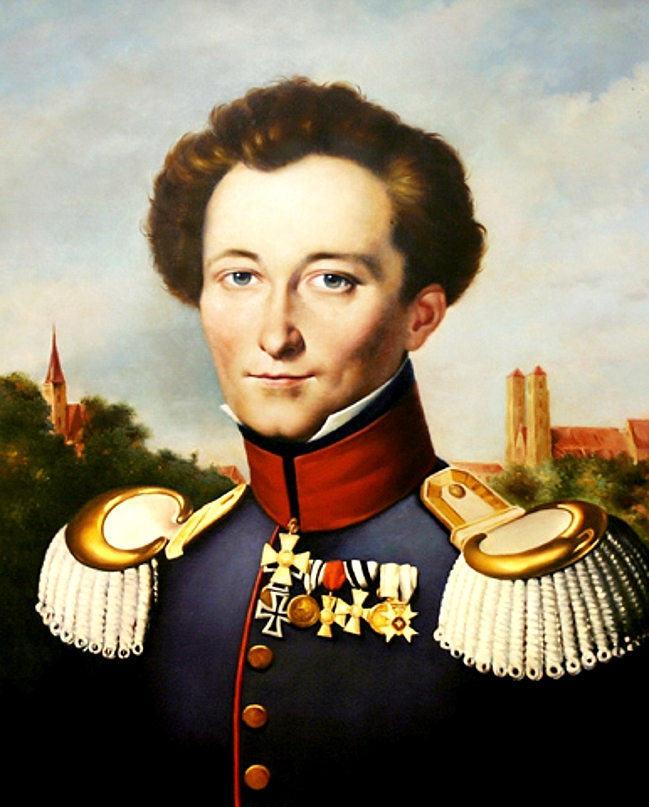
1832 - Carl von Clausewitz, On War
On War is a book written by Prussian General and military strategist, Carl von Clausewitz. It was written mostly after the Napoleonic wars and focussed on war and military strategy. […]
-
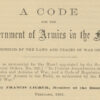
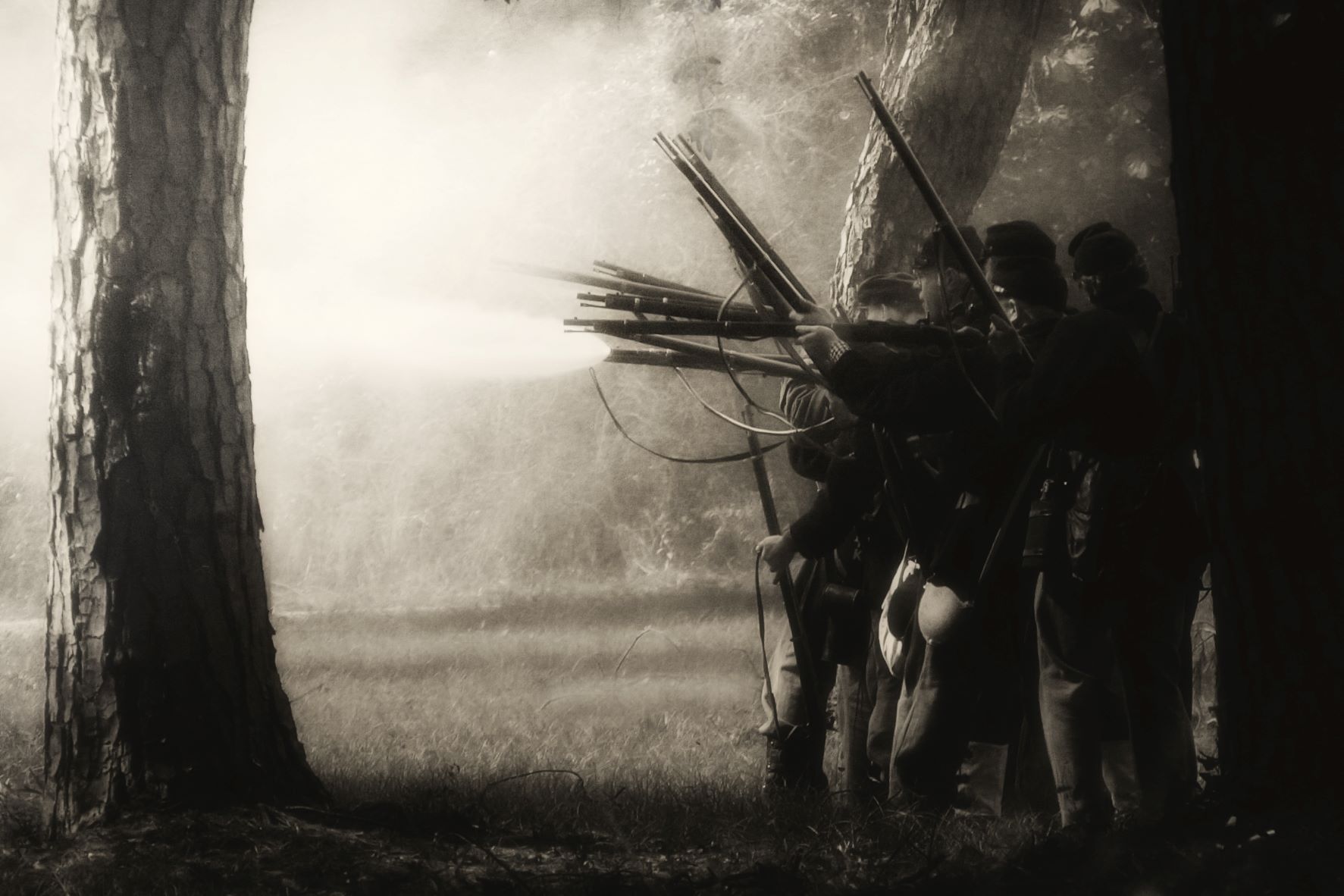
1863 - Lieber Code
On 24 April 1863, in the midst of the American Civil War of 1861-1865 between the Union States and 11 Southern states that formed the Confederate States of America, U.S. […]
-

1917-19 - Allied Blockade of Europe
The Allied blockade of Europe was a prolonged naval blockade by the Allies (France, Britain, Russia, Japan, Italy and the U.S.) utilised during the later stages of World War I […]
-

1917-20 - Mtunya—The Scramble
Mtunya, or ‘scramble for food’ in the Gogo language, was a famine in the Dodoma region of central Tanzania. The famine was triggered by a drought that affected almost entire Africa, military […]
-
1917-19 - Persian Famine
During World War I, British, Russian and Ottoman Empire forces occupied the territory of Persia (modern day Iran), rendering the rule of the Qajar dynasty ineffective. The territory was struck […]
-
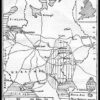
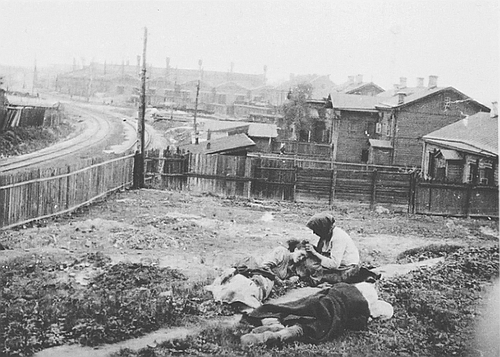
1921 - The Russian Famine
Also known as the Povolzhye famine, the Russian Famine of 1921 resulted from the Bolshevik Revolution and the civil war that ensued following the abdication of Tsar Nicolas II, compounded by […]
-
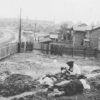
1932-1933 - Holodomor
The Ukrainian famine, known as Holodomor or the Terror-Famine, took place in 1932-1933. In 1929, Joseph Stalin attempted to collectivise agriculture, forcing peasants to give up their farms and join large collective […]
-

1939-45 - Der Hungerplan
During World War II, starvation, including the deprivation of civilians of food, the theft of land and food supplies from Poles, Slavs, and Jews, was used as a deliberate tactic […]
-
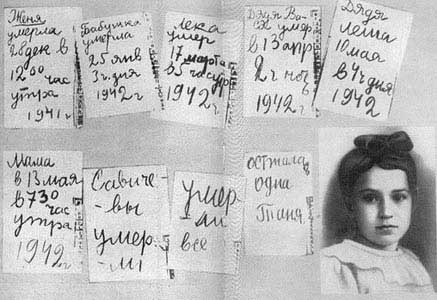
1941-43 - Siege of Leningrad
The siege of Leningrad (modern day St. Petersburg) was a prolonged military blockade of the Soviet city of Leningrad, a by German and Finnish forces, during World War II. The siege […]
-
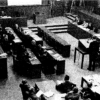
1947-48 - High Command Case
The High Command Case was the last twelve trials of the U.S. Military Tribunal in Nuremberg. Amongst the charges levelled at the defendants, Field Marshall Wilhelm von Leeb was tried for […]
-
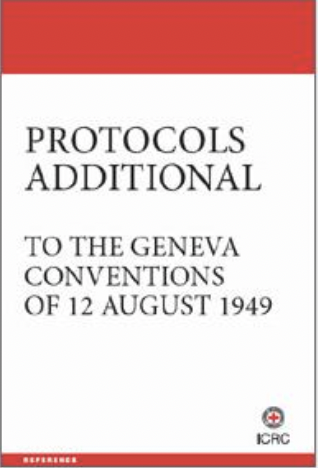
1949 - Geneva Convention
Geneva Conventions are four treaties adopted in the aftermath of World War II to codify the rules of warfare and treatment of combatants and non-combatants, as well as to protect […]
-
1970 - Nigerian Civil War
The Nigerian Civil War was a conflict between the government of Nigeria and Biafran forces who were attempting to gain independence for the Republic of Biafra. Soon after Nigeria gained […]
-

1977 - Additional Protocols to the Geneva Conventions
The two Protocols additional to the Geneva Conventions of 1949 strengthen the protection of victims in armed conflicts. Protocol I elaborates the rules related to international armed conflicts, while Protocol […]
-

1983-85 - Ethiopian Famine
The famine of 1983–1985 is officially ascribed to drought. However, many argue that drought was not the sole cause. The famine occurred during the Ethiopian Civil War, fought between the […]
-
1994-98 - North Korean Famine
The North Korean Famine, also known as the Arduous March or the March of Suffering, was a period of mass starvation and a general economic crisis from 1994 to 1998. […]
-

17 July 1998 - Rome Statute
The Rome Statute of the International Criminal Court (ICC) is a treaty adopted at the Rome Conference on 17 July 1998 and entered into force on 1 July 2002, establishing […]